


Nokia is Bullish on AI, Reddit v Perplexity AI, Trump Strikes Russia at the Heart & Amazon’s Smart Glasses for Smarter Delivery
- Jemima Asegieme
- Oct 23, 2025
- 6 min read

23rd October 2025
Nokia CEO Justin Hotard says the AI surge mirrors the 1990s internet boom but this time, the growth looks built to last. Reddit has sued AI startup Perplexity for allegedly scraping its data without permission, escalating tensions between platforms and AI developers. President Trump’s new sanctions on Russia’s top oil firms sent global prices climbing and left India weighing its import options. Meanwhile, Amazon unveiled smart glasses and new warehouse robots aimed at speeding up deliveries even as automation raises fresh concerns about future jobs. All this and more in today’s Read It and Eat!
Major News
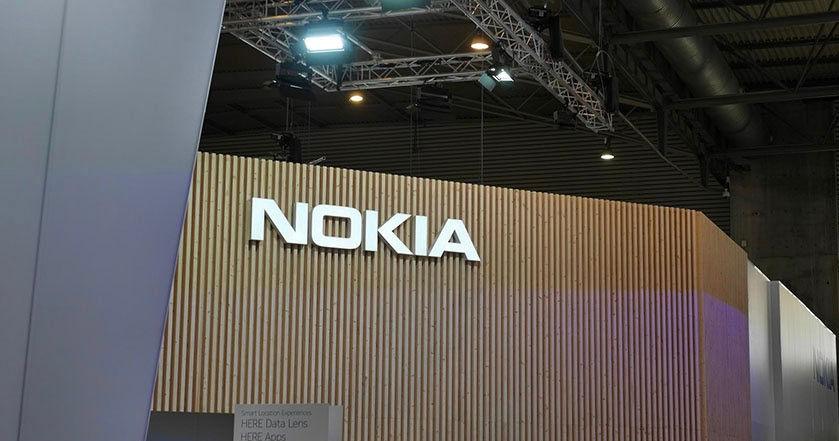
Nokia CEO Sees AI Boom as the Next Internet Wave But Says It’s Built to Last
Nokia’s CEO, Justin Hotard, believes the current surge in artificial intelligence mirrors the internet boom of the 1990s but this time, the momentum has deeper staying power. Speaking with Reuters, Hotard said he sees AI driving a “supercycle” of growth that could reshape global technology for decades. “Even if there’s a bubble or a correction, the long-term trends are very favorable,” he noted, emphasizing that the sector’s fundamentals are stronger than many skeptics assume.
His comments come as concern mounts over whether the AI market is overheated. A recent Bank of America survey found that more than half of fund managers think AI stocks are already in bubble territory. Even Amazon founder Jeff Bezos and OpenAI CEO Sam Altman have cautioned that investor excitement may outpace reality. Despite those warnings, the demand for AI infrastructure, particularly data centers, continues to climb as companies worldwide race to build the digital backbone needed to support machine learning and large language models.
“ Hotard, who previously led Intel’s data center and AI group before joining Nokia in April, said the company is witnessing growth “across the board,” especially in Europe. “Clearly, the incremental growth investment is driven by data centers,” he said. “It’s a huge step up in volume.” Nokia’s latest earnings report reflected that optimism, beating market expectations on the back of strong optical and cloud demand, much of it tied to AI-driven data centers and the recent acquisition of U.S. optical networking firm Infinera.
For Nokia, the AI pivot marks its most significant shift since selling off its mobile phone division in 2013. While its mobile network business remains core, the company is increasingly weaving AI into radio access, fiber networks, and cloud operations. To cement that shift, Nokia recently formed a dedicated Technology and AI division led by Chief Technology Officer Pallavi Mahajan, another former Intel executive. It’s a clear signal that Nokia isn’t just watching the AI revolution unfold, it intends to help build it. Finance Yahoo
Reddit Takes Perplexity to Court Over Alleged Data Scraping
Reddit has filed a lawsuit against AI startup Perplexity, accusing the company of illegally scraping its content to train an artificial intelligence–powered search engine. The suit, lodged in a New York federal court on Wednesday, claims Perplexity and three other companies bypassed Reddit’s data protection systems to extract material the platform says was “desperately needed” to fuel its AI “answer engine.”
The case adds to a growing wave of legal battles between content platforms and AI developers accused of misusing copyrighted data. Reddit’s complaint follows a similar suit it brought against Anthropic in June, which remains ongoing. “AI companies are locked in an arms race for quality human content,” said Reddit’s chief legal officer Ben Lee, describing what he called an “industrial-scale data laundering” economy.
Perplexity, for its part, rejected the allegations. In a statement, the company said it aims to “provide factual answers with accurate AI” and “will not tolerate threats against openness and the public interest.” Other firms named in the lawsuit include Lithuania-based Oxylabs, Russia-based AWMProxy, and Texas-based SerpApi all accused of scraping Reddit data from billions of search results without authorization. Several of the companies have denied wrongdoing, with Oxylabs calling the allegations “shocking and disappointing.”
Reddit said it had already sent Perplexity a cease-and-desist letter last year, after which the startup allegedly increased its citations to Reddit content forty-fold. The platform which licenses its data to companies like Google and OpenAI is now seeking unspecified damages and a court order to stop Perplexity from using its material. The lawsuit underscores an intensifying clash between online content creators and the AI firms eager to feed on their data. Reuters
Trump Targets Russian Oil Giants, Sending Prices Soaring and India Scrambling
In a surprise move, U.S. President Donald Trump has imposed sweeping sanctions on Russia’s two biggest oil companies Rosneft and Lukoil, escalating pressure on Moscow over its war in Ukraine. The decision marks a sharp reversal for Trump, who just last week was touting plans for a peace summit with President Vladimir Putin in Budapest. Instead, he called off the meeting, saying it “just didn’t feel right,” and that his conversations with Putin hadn’t “gone anywhere.”
The new sanctions, announced by Treasury Secretary Scott Bessent, aim to choke off funding for Russia’s war machine. “Given President Putin’s refusal to end this senseless war, Treasury is sanctioning Russia’s two largest oil companies,” Bessent said, urging U.S. allies to follow suit. Moscow hit back, calling the sanctions “counterproductive” and insisting its goals in Ukraine remain unchanged. While oil and gas revenues account for about a quarter of Russia’s budget, analysts note that the immediate impact could be cushioned since much of Moscow’s income comes from taxing production rather than exports.
Oil markets reacted swiftly, with prices jumping over 3% on Thursday amid fears of tighter global supply. The ripple effect was felt in India, now the biggest buyer of discounted Russian crude where refiners began reviewing their import plans to avoid potential fallout from the U.S. measures. Washington has given companies until November 21 to wind down dealings with the sanctioned firms. Some analysts suggest the move could push Russia to offer even deeper discounts on its oil, though higher global prices might partially offset the hit to Kremlin finances.
The sanctions also signal another shift in Trump’s approach to the Ukraine conflict. After previously entertaining Moscow’s preference for a comprehensive peace deal over an immediate ceasefire, Trump has now swung back to supporting Kyiv’s position for a truce.
Russia, however, remains resistant arguing that a ceasefire would merely give Ukraine time to rearm. As tensions escalate, Moscow underscored its defiance with a large-scale nuclear exercise, a stark reminder that the path to “lasting peace” remains as complicated as ever. Reuters
Amazon’s Smart Glasses, AI, and Robots Aim to Shave Seconds off Delivery Times
Amazon’s race to make deliveries even faster is moving beyond drones and data; it now involves high-tech eyewear. The e-commerce giant unveiled a new pair of smart glasses for its drivers, designed to make routes smoother and deliveries quicker. Internally known as “Amelia,” the glasses display turn-by-turn directions, scan package codes, and even snap delivery photos, freeing drivers from juggling phones and bulky GPS devices. Powered by a controller tucked into a driver’s vest, the glasses feature swappable batteries to stay charged throughout long shifts.
The reveal, made during Amazon’s annual “Delivering the Future” event, highlights the company’s obsession with perfecting the “last 100 yards” of delivery, the costly, time-consuming final stretch to customers’ doors. Over the past year, Amazon has rolled out a van scanner that spotlights the right package for each stop and detailed digital maps that outperform traditional GPS systems. According to Beryl Tomay, Amazon’s vice president of transportation, hundreds of drivers have already tested the glasses, reporting time savings of up to 30 minutes per shift. She emphasized that using the glasses would be optional and that Amazon plans to provide them for free.
In addition to the eyewear, Amazon also debuted new warehouse innovations. Its latest robot, dubbed “Blue Jay,” can pick and sort items alongside employees with improved precision and safety, while taking up less space than older models. Already deployed in South Carolina, Blue Jay will soon expand to more “sub-same-day” sites with facilities designed to fulfill orders in just a few hours. The company also announced plans to roll out an AI-powered warehouse management system, starting in Tennessee, that can monitor and optimize operations in real time to prevent slowdowns and bottlenecks.
Still, the push toward automation isn’t without tradeoffs. A recent New York Times report suggested that Amazon’s growing fleet of warehouse robots could trim U.S. hiring needs by around 160,000 workers over the next two years. The company, however, maintains that automation helps free up resources for other jobs and it still plans to hire 250,000 seasonal workers for the holidays. Investors were less enthusiastic, with Amazon’s shares slipping 1.8% on Wednesday to $217.95, making it the only member of the “Magnificent Seven” tech giants to see a year-to-date decline. Reuters


Comments